The Real Deal on High-Output Halogen Heating
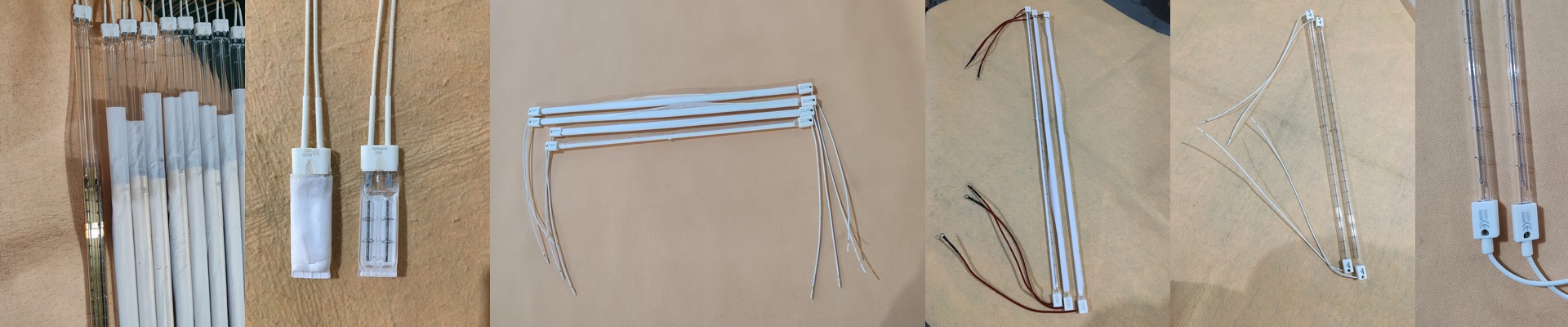
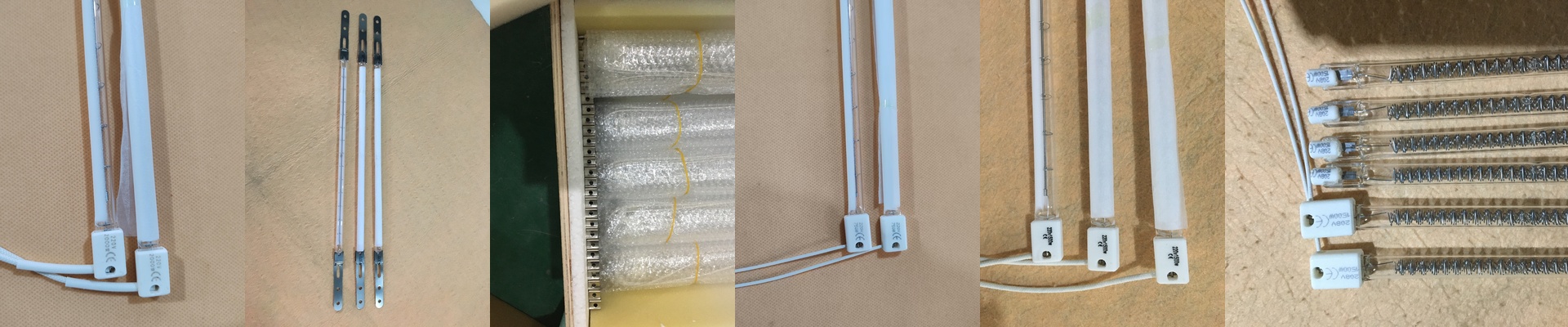
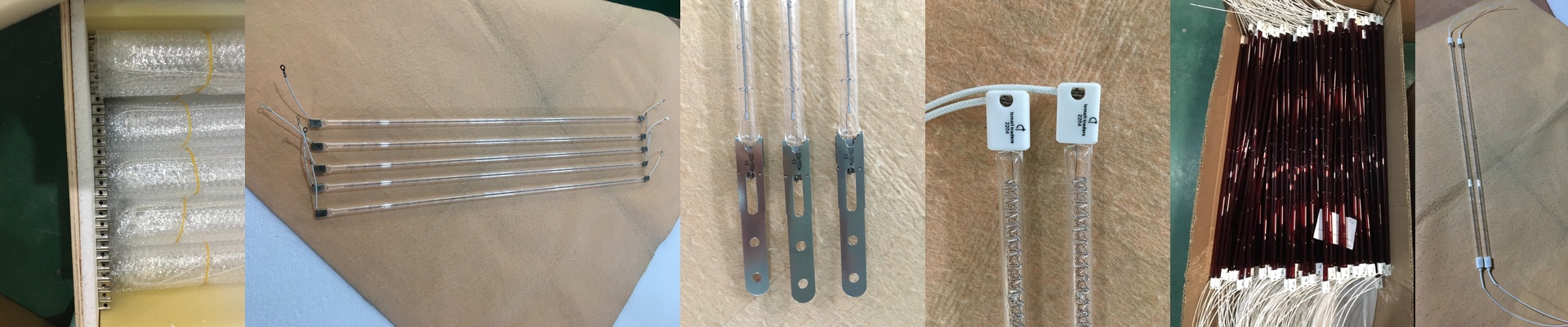
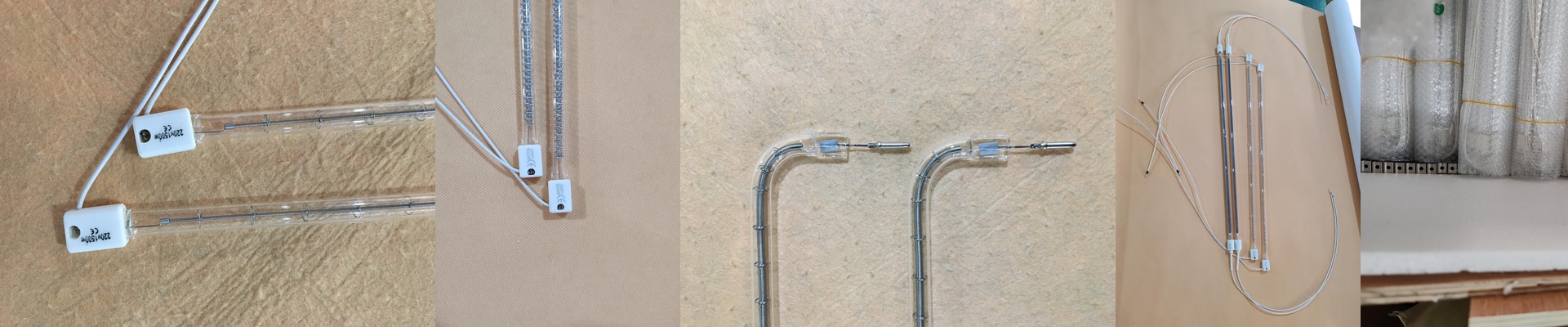
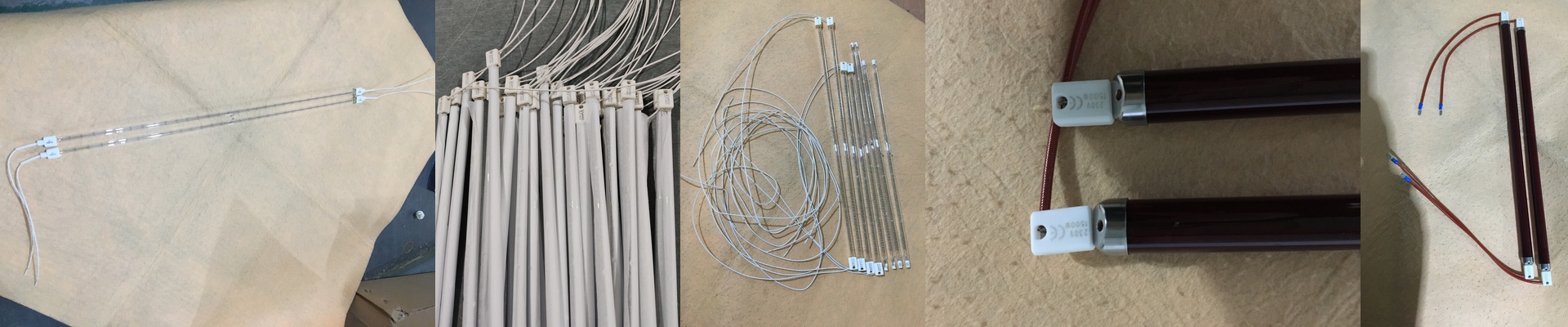
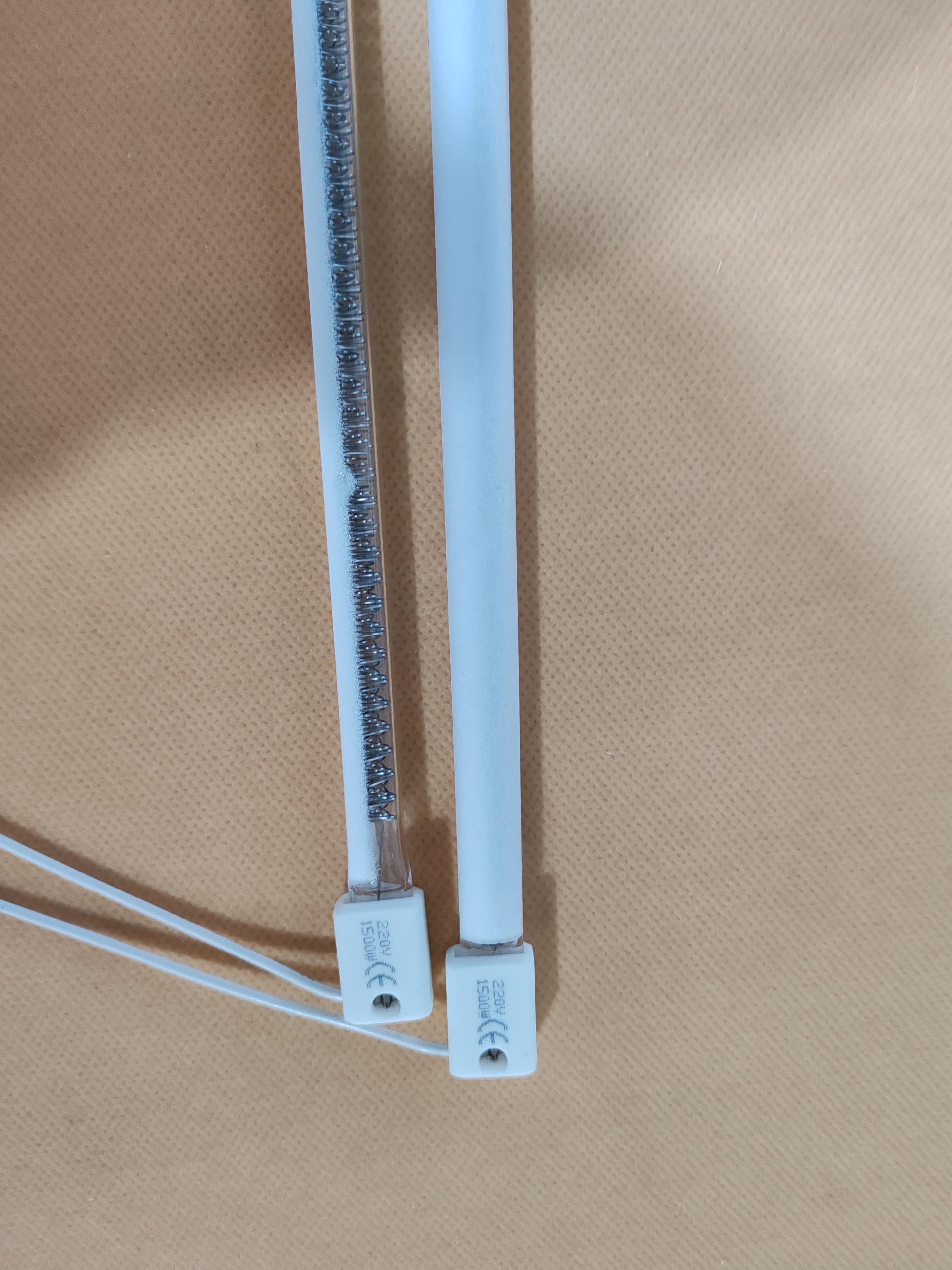
When we build these halogen bulbs, we aren’t thinking about lighting up a room. We’re thinking about heat. Pure, precision infrared heat. Inside each lamp, there’s a tungsten filament tucked into a quartz envelope with a halogen gas cycle. Without that gas, the filament would just evaporate and burn out. With it? We can crank the temperature way up and the bulb actually lasts longer. It’s a simple trick that makes a huge difference. Getting the power right Here is the thing about voltage and wattage: it’s all about heat density. If you’re using a longer tube—say 300mm or 500mm—you need higher voltage. Otherwise, you’ll get these annoying cold spots in the middle of the filament. Now, high wattage is great because it heats up fast. Really fast. But it puts a lot of stress on your wiring. Just a heads-up: make sure your circuit breakers can handle that initial “hit” of power when you flip the switch on a cold lamp. Quartz and the “Click” We use hard-fused quartz because it doesn’t crack when you cycle the heat on and off rapidly. As for the connectors, it usually comes down to your setup. Most people go with R7s. They’re the standard for a reason—you just push them into the spring-loaded sockets and you’re done. Easy. But if your machine vibrates a lot or space is tight, go with SK15. It locks in tight so nothing rattles loose. Oh, and some of our tubes have a special coating. This shifts the heat from shortwave to medium-wave, which basically changes how deep the heat sinks into whatever material you’re working with. Where this actually matters You’ll see these lamps everywhere in PET blowing, plastic welding, and curing lines. They give you an instant blast of heat that old-school resistive heaters just can’t touch. But there is a trade-off. That quartz envelope getsscorching hot. If your cooling fans quit or your shielding is slightly off, you’re going to melt your plastic parts or fry your sockets. One last tip: keep an eye on your reflectors. If they get dusty or oxidized, your efficiency tanks. A quick clean saves you a lot of money in the long run.